
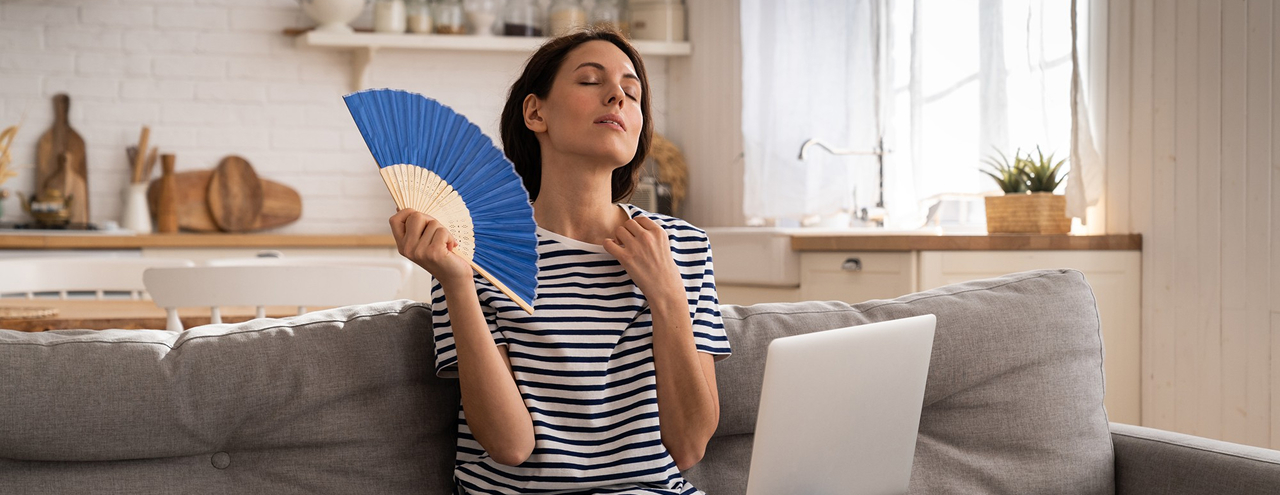
Prickly heat, also known as heat rash or miliaria, is one of the most common skin concerns during the hot and humid summer months. It shows up as small, red, itchy bumps that can cause a stinging or prickling sensation, and it can affect anyone: children playing outdoors, adults commuting in the heat, or anyone who sweats excessively. The good news is that prickly heat can often be managed at home with the right care. The not-so-good news? Many people unknowingly make it worse by doing the wrong things. Here is a clear guide to help you treat prickly heat effectively at home.
What Causes Prickly Heat?
Prickly heat occurs when sweat ducts become blocked, trapping sweat beneath the skin’s surface. The trapped sweat causes inflammation, leading to the characteristic red, itchy rash. Hot weather, tight clothing, and excessive sweating are the most common triggers. Children are especially prone because their sweat glands are still developing. Managing it properly, starting with the right home care, can bring quick relief.
The Dos: What You Should Do
- Keep the affected area cool and dry. Move to a cooler, well-ventilated space whenever possible. Reducing heat and humidity around the skin helps the sweat ducts open up and the rash to settle faster.
- Bathe with cool or lukewarm water. Cool water helps soothe the irritated skin and washes away sweat and bacteria that can worsen the rash. Pat the skin dry gently afterwards, never rub.
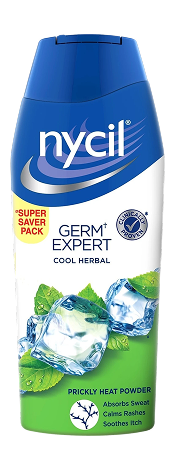
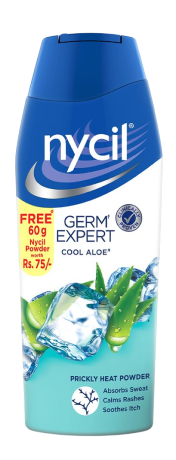
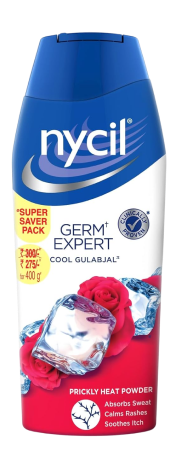
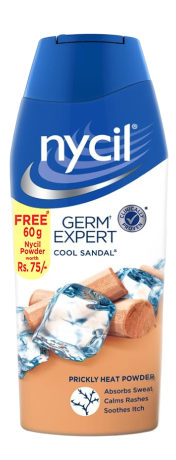
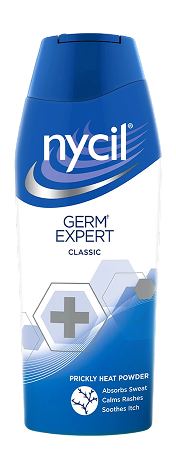
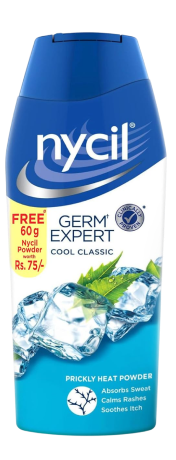
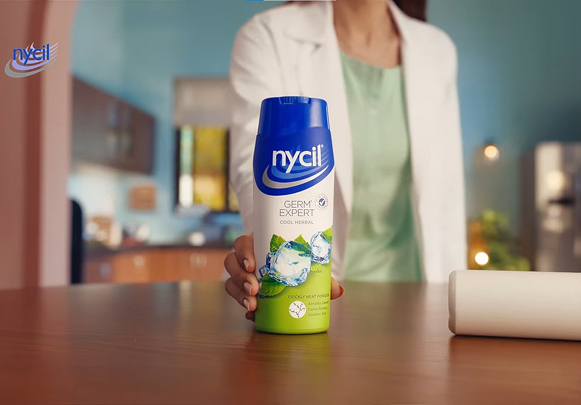
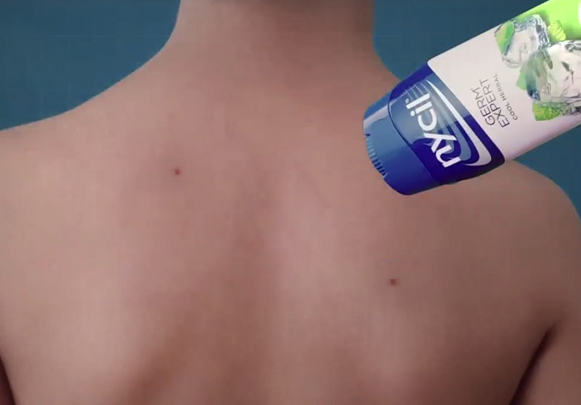
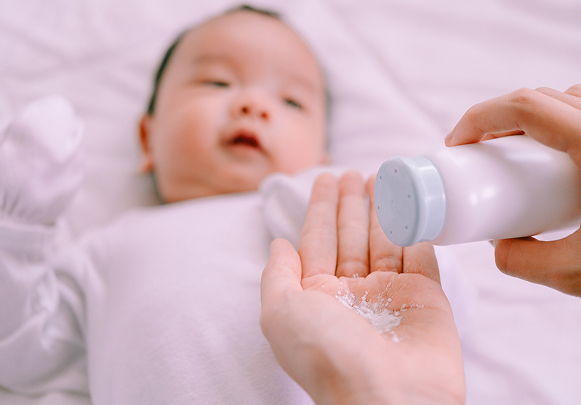
- Use a specialist prickly heat powder. After bathing and drying the skin, apply a trusted prickly heat powder like Nycil on the affected areas. Unlike regular talcum powders, specialist prickly heat powders are formulated to absorb excess sweat, cool the skin, and actively soothe the rash, providing relief that lasts through the day.
- Wear loose, breathable clothing. Light cotton clothes allow air to circulate around the skin and reduce sweat build-up, which is one of the key triggers for prickly heat.
- Stay hydrated. Drinking plenty of water helps regulate your body temperature from within, reducing the intensity of sweating and supporting overall skin health.
The Don’ts: What You Should Avoid
- Do not scratch the rash. Scratching may provide momentary relief, but it damages the skin further, introduces bacteria, and can lead to infection. It also prolongs healing.
- Avoid heavy creams or oily lotions on the affected area. Thick moisturisers and oil-based products can further block the sweat ducts, making the rash worse instead of better. Stick to light, powder-based solutions.
- Do not apply powder on wet or damp skin. For any prickly heat powder to work effectively, the skin must be completely dry before application. Applying powder on damp skin reduces its effectiveness and can cause clumping.
- Do not use very hot water for bathing. Hot showers may feel refreshing momentarily, but they open up the pores further and increase sweating shortly after, aggravating prickly heat.
- Avoid synthetic, tight-fitting clothes. Polyester and nylon fabrics trap heat and moisture close to the skin, creating the perfect conditions for prickly heat to develop and worsen.
When Should You See a Doctor?
Most cases of prickly heat resolve within a few days with proper home care. However, consult a doctor if:
- The rash persists beyond three to four days despite home treatment.
- You notice pus, swelling, or signs of infection.
- There is a fever along with the skin irritation.
- The itching or redness becomes severe or spreads rapidly.
Conclusion
Prickly heat is uncomfortable, but it is manageable. By following the right steps, cooling the skin, keeping it dry, wearing breathable clothing, and using a reliable specialist powder, you can find meaningful relief at home. Remember, the choice of powder matters. A specialist prickly heat powder is designed to do far more than just add fragrance; it actively works to protect your skin from the heat and humidity that cause rashes in the first place.




 Chat Now


